 English
 Indonesia

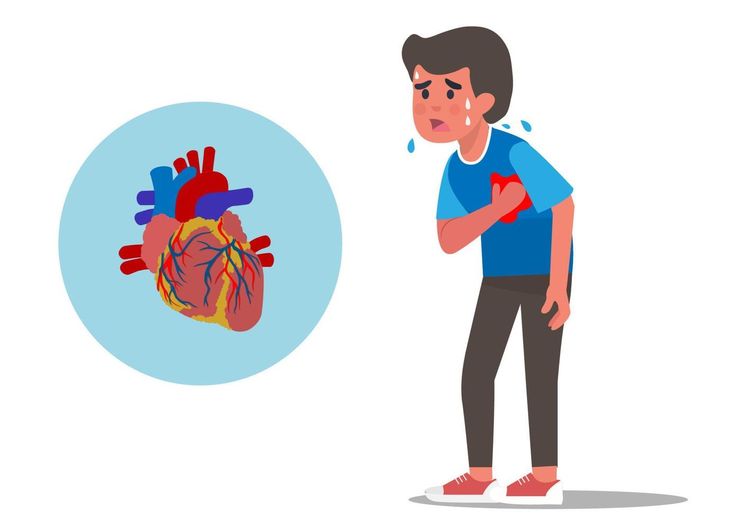
In the past, heart disease was commonly associated with the elderly. We were used to hearing stories about grandparents who suddenly suffered from heart attacks. However, reality today tells a different story. Behind the fast-paced modern lifestyle, the younger generation is becoming a new group at risk. Heart attacks no longer wait for grey hair to appear—they can come much sooner than we expect.
Many young people believe their bodies are still strong, full of energy, and unlikely to develop serious illnesses. This belief often causes them to ignore early warning signs that could actually signal danger. Medical records show an increasing number of heart attack cases among people aged 20 to 40. This is not a coincidence. It is a warning.
The causes are closely related to our daily habits. Frequent consumption of fast food, excessive coffee intake, staying up late for work or scrolling through social media, and lack of exercise create a lifestyle that puts heavy strain on the heart. In addition, chronic stress—now an inseparable part of many young people's lives due to work, social pressure, or personal matters—also plays a major role.
Smoking and vaping have also become daily habits for some young people. They may consider it “cool” or simply a form of escape, yet nicotine and other chemicals contained in these products can accelerate damage to blood vessels. In some cases, even young individuals who appear athletic and physically active can suffer heart attacks due to overlooked genetic factors or undetected metabolic issues such as high cholesterol.
What makes it even more alarming is that heart attack symptoms at a young age are often not dramatic. Discomfort in the chest, mild pain in the left arm, shortness of breath, or nausea may easily be dismissed as something minor. Many people assume it is merely fatigue or a common cold. By the time they are taken to the hospital, the condition may have worsened and the critical window for life-saving treatment has already passed.
This is why education and awareness are so important. Protecting heart health should begin at a young age. We need to make regular health check-ups a habit, understand our family medical history, and start adopting a more balanced lifestyle. Health is not just a long-term investment—it is an immediate necessity.
There are many real stories of young people collapsing at work, fainting during sports, or passing away suddenly in their sleep. In many cases, the cause is a heart attack that had never been detected before. This shows that having a young body does not always guarantee a healthy heart.
The good news is that heart attacks can be prevented. Healthy lifestyle choices—such as reducing processed food consumption, exercising regularly, maintaining a healthy weight, managing stress, and getting enough sleep—are simple steps that can have a significant impact. We can also begin by reducing exposure to cigarettes, alcohol, and the habit of sitting for too long in front of screens.
The younger generation is a valuable asset to the nation—they are full of potential and hope. But all of that will mean little if health is neglected. Do not wait until old age to start caring. The truth is, a heart attack can happen at any time, even when we feel young and healthy.
Our hearts may not speak, but they give us signals. Listen to your body and take care of its rhythm—because life is far too precious to be cut short suddenly.
Source: https://kemkes.go.id/id/serangan-jantung-di-usia-muda
Add New Comment